This guide is for deciding, not ranking. The differences between the three methods are real, they are mostly about mechanics rather than mystique, and once you understand them the choice takes about a minute. We will explain how each one actually brews (everything you taste in the cup follows from that), then make the honest case for each, name one genuinely worth-buying pick per method, and finish with four questions that settle the matter for good. By the end you will know which brewer belongs in your kitchen, and you will have spent considerably less than the person who bought all three to find out. Let us sort it.
Three Methods, Three Philosophies
Strip away the branding and the three methods are three answers to one question: who does the work? Drip says the machine does: you add water and grounds the night before, and coffee happens while you find your keys. Pour-over says you do, and calls it a pleasure: you are the machine, controlling every variable with a kettle. The french press says nobody does, really; coffee and hot water sit together in a jug until you push a plunger, which is about as close to zero technique as brewing gets. None of these is espresso, by the way; if what you are actually craving is a flat white, that is a different appliance and a different budget, and our Breville vs De’Longhi comparison covers that decision. For everyone else (which is most coffee drinkers, most mornings), one of these three is the right call.
How Each One Actually Brews (and Why It Changes the Taste)
Two mechanics explain almost everything. The first is how water meets coffee. Drip and pour-over are percolation methods: hot water passes through a bed of grounds once, extracting as it goes. The press is immersion: grounds steep in the water, typically for around four minutes, like tea. The National Coffee Association’s brewing guidance puts ideal water at 195 to 205 degrees Fahrenheit for all of them; get that wrong and no method saves you.
The second mechanic is the filter, and this is the one you can taste blind. Paper filters strip out the coffee’s oils and fine sediment, so drip and pour-over pour a clean, bright, tea-clear cup; a press’s metal mesh lets the oils and fines through, so it pours heavier, rounder, and slightly gritty at the bottom. Neither is wrong; it is the difference between clarity and body, and people are loyal to one or the other for life. One honest footnote: those unfiltered oils include cafestol, a compound Harvard’s Nutrition Source notes can nudge LDL cholesterol upward in heavy unfiltered-coffee drinkers. For a cup or two a day it is a footnote, not a verdict; if you drink six, the paper filter is doing you a quiet favour.
The Case for Drip: Coffee That Makes Itself
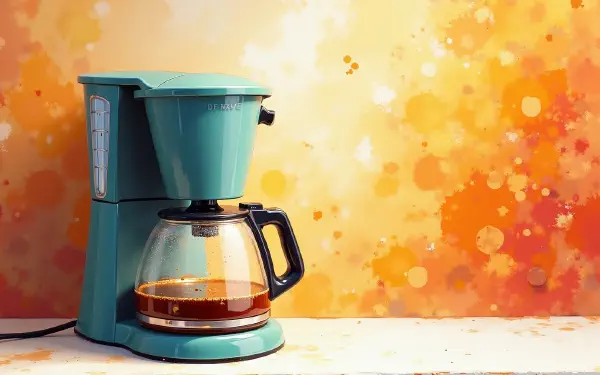
If your household gets through a potful before anyone is fully conscious, this category was built for you. A drip machine is the only one of the three that brews unattended, the only one that keeps coffee hot, and the only one that scales to guests without ceremony. The catch is that the cheap ones are cheap for a reason: they brew too cool and too fast, which is where flat, cardboard-tasting hotel coffee comes from. The fix is to buy a machine that hits proper brewing temperature. The Specialty Coffee Association maintains a short list of certified home brewers that verifiably do, and several of them, including our pick here, sit in our best coffee makers roundup. The OXO is the one we would buy: SCA-certified temperatures, an even shower of water over the grounds rather than a dribble down the middle, and a podless single-serve mode for the days you only want a mug.

OXO Brew 8-Cup Coffee Maker with Podless Single-Serve Function
- SCA-certified brewing: water hits the grounds at a proper 194 to 205 F
- Rainmaker showerhead wets the bed evenly for full, balanced extraction
- Podless single-serve mode brews straight into a mug when a pot is too much

The Case for Pour-Over: Total Control for Twenty-Nine Dollars
Pour-over is drip coffee with the machine removed and the control handed to you: how fast you pour, where you pour, how long the water sits. Done with a little care it produces the cleanest, most articulate cup of the three, the method that makes a good bag of beans taste like the tasting notes. It is also the cheapest way into genuinely excellent coffee, because the entire apparatus is a cone and a filter. The catch is attention: a pour-over wants three or four minutes of you, every single time, and it makes one or two cups at most. A gooseneck kettle helps more than any other upgrade; our kettle roundup covers the ones worth owning. The cone itself is a solved problem: Hario’s ceramic V60 has been the standard for decades, and at this price there is no reason to be clever.

Hario V60 Ceramic Coffee Dripper, Size 02, White
- The standard-issue pour-over cone in specialty cafes the world over
- Size 02 brews one large mug or two cups; spiral ribs aid an even draw-down
- Heat-retaining ceramic, made in Japan, and nothing on it can break or wear out
The Case for the French Press: Body, and No Moving Parts
The press is the most forgiving brewer in the house. Coarse grounds, hot water, four minutes, plunge. There is no filter to run out of, no cord, no firmware, and the method shrugs off imprecision that would sulk in a V60. What it rewards you with is texture: a heavy, round, full-mouthed cup that paper-filter loyalists find muddy and press loyalists call the whole point. It also moonlights: a press makes proper cold brew overnight and whips milk into passable foam, which is more than any cone can claim. The catches are honest ones: sediment in the last sip, a jug of spent grounds to clean out, and coffee that cools quickly once brewed, so it suits people who drink their cup rather than nurse it. Bodum’s Chambord is the archetype, unchanged for good reason and cheap enough to make the decision easy.

Bodum Chambord French Press Coffee Maker, 34 oz
- The classic 34 oz Chambord design: borosilicate glass, polished steel frame
- Immersion brewing pulls a heavier, rounder cup than any paper filter
- No consumables, ever, and it doubles as an overnight cold brew maker
What Each One Costs to Run
The sticker price is the smaller half of the arithmetic, so it is worth doing the rest of it once. The press is the cheapest thing you will ever own: no filters, no descaling cycles, no parts that wear beyond the occasional replacement mesh, which Bodum sells for pocket change. Pour-over adds paper (a few cents per brew, a few dollars a month) and that is the entire bill; a ceramic cone has no other way to cost you money. The drip machine is the one with a running tab. Paper filters, yes, but also the machine itself: a heating element and pump that scale up with your tap water and want descaling every one to three months, and electronics that will eventually decide the matter for you. None of this is a reason to avoid drip (a good machine runs for years), but it is a reason to buy a good one once rather than a forty-dollar one three times. Over five years, the press and the cone cost approximately nothing; the drip machine costs its price again in filters, descaler, and eventual replacement. Budget accordingly, and put the difference into better beans, which will do more for the cup than any hardware upgrade on this page.
The Rest of the Field, Briefly
Three other names will come up while you shop, so here is the honest minute on each. The AeroPress is a genuinely clever immersion-plus-pressure gadget that makes one excellent, clean cup and travels well; if the press appeals but the sediment does not, it is worth a look, though its single-cup ceiling is even firmer than the V60’s. Cold brew is a recipe, not an appliance (coarse grounds steeped overnight), and the Chambord in this guide already makes it, so do not buy a dedicated vat until you know you drink it weekly. And pods: the arithmetic is unkind. Pod coffee costs several times more per cup than any method here, the cup is mediocre by the standards of all three, and the machine locks you into a supply chain. The one thing pods genuinely offer is a mess-free thirty-second cup, and if that is the priority, the OXO’s podless single-serve mode gets you most of the convenience with none of the lock-in. Nothing in the rest of the field changes the decision; it just decorates the edges of it.
Four Questions That Settle It
If you are still torn, answer these in order and stop at the first strong reaction.
- How many cups leave your kitchen each morning? Three or more, or multiple drinkers on a schedule: buy the drip machine and do not overthink it. One or two: keep reading.
- What is your honest weekday tolerance for ritual? If standing over a cone with a kettle for four minutes sounds like meditation, pour-over. If it sounds like a chore you will abandon by February, it is.
- Clarity or body? Bright, clean, tea-like articulation: pour-over (or a good drip). Heavy, rich, rounded: the press. This is the one preference that does not change with practice.
- What is the budget? Under fifty dollars buys the whole pour-over or press setup; a drip machine worth owning starts at three figures.
Buy for your worst weekday morning, not your idealised Sunday. The brewer that fits the former is the one that gets used; the other kind ends up in the cupboard with the spiralizer.
Buy the One You Will Use on a Tuesday
None of these three is the best coffee maker; there is only the best one for the way your mornings actually go. Households and autopilots want the drip machine, and should insist on one that brews at proper temperature. Single-cup perfectionists with four quiet minutes want the cone. Texture people, cold brew people, and anyone allergic to owning consumables want the press. All three, run with decent beans and water you would happily drink on its own, will beat the pod machine they replace by a distance.
Whichever you choose, treat it kindly: the drip machine in particular will repay you for descaling it on schedule, and every method improves the moment you start measuring coffee instead of guessing. Pick your answer to the four questions, buy once, and get on with the far more interesting business of what to brew in it. The best morning coffee is not the one with the best argument behind it; it is the one that is already made, or already in your hand, before you have had to think.